

The Dropped Plate: How a Rest Retreat Helped Me Reclaim My Creative Spark
A Guest blog by Rachel Wetherell, GP and potter
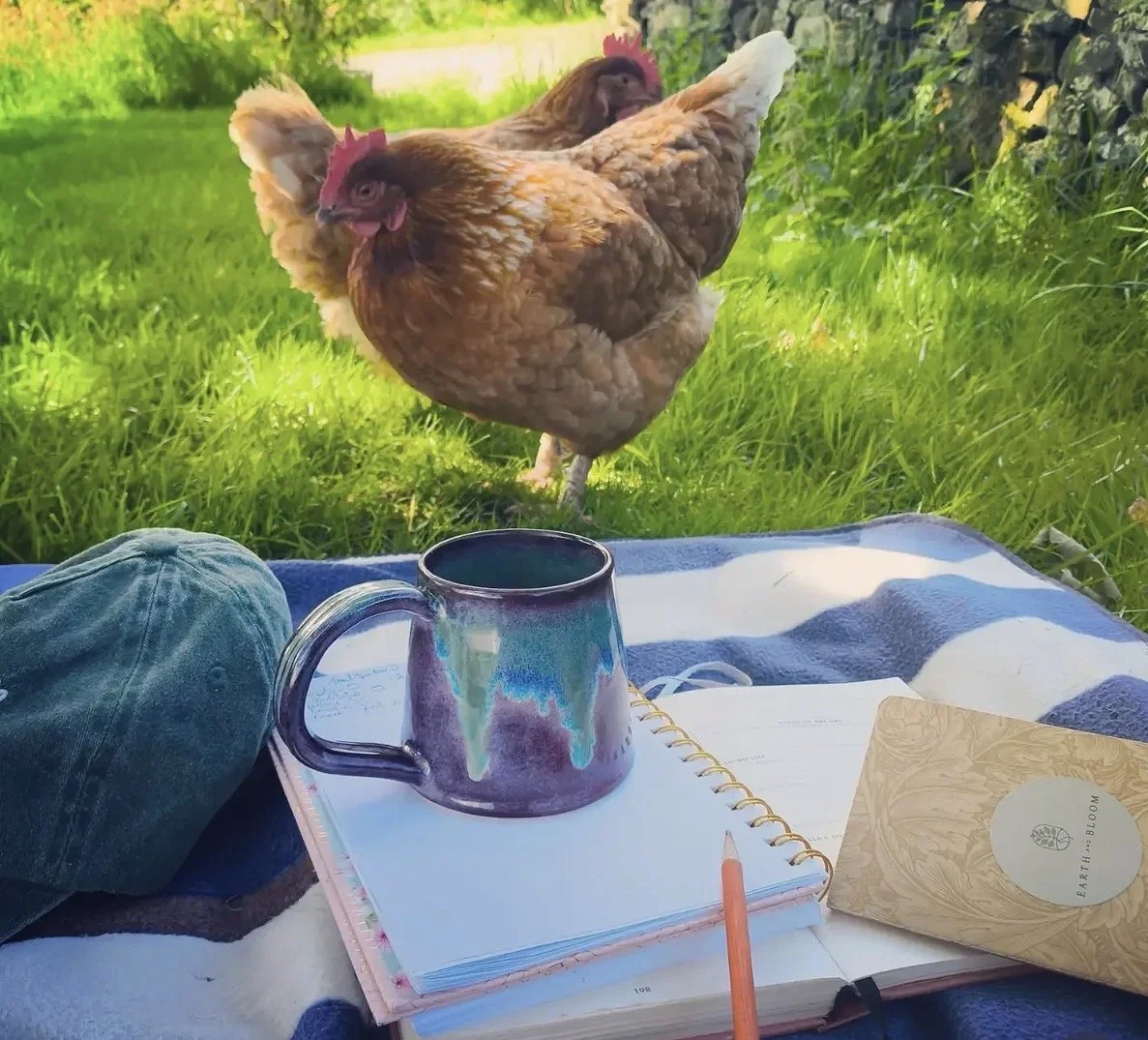
Before I entered the world of medicine, I was a contemporary dancer. Back then, I expressed myself through movement, and creativity was essential. But when I switched to medicine, I felt I had to firmly close the door on that side of myself. There simply wasn’t room.
It’s a supreme irony of our profession: medical school interviews crave well-rounded humans. They select us because we have vibrant lives outside science—sports, art, music, dance. Then, the reality of the training and the career demands we lock those passions away just to survive the workload. Between shifts, exams, raising children, and caring for others, we run out of time. Creativity becomes the "easy plate to drop" because we have too many other plates spinning. So, we drop it. And then we wonder why we struggle, losing the very outlets that help us process our thoughts and give our lives meaning.
A few years ago, I realized I desperately needed that outlet back. I found clay. Pottery became mine—a space where I didn’t have to think about anyone else. I consider myself a hobby potter; I create for fun but do also sell my pieces. Yet, even in my home studio, my medical perfectionism creeps in. I find myself sticking to practical, useful things. A mug is safe; I can make it pretty and appealing, but expressing myself through something quirky or purely "arty" feels too exposed, too open to judgment. I feel I have to be perfect. And I feel I have to have perfect conditions to even enter into my home studio.
In recent years between work, family life and hobbies, I had been living at a pace I knew I couldn't sustain. In a bid for "Operation Wellbeing"—an effort to prevent burnout I could see looming on the horizon—I booked myself onto a Rest in Medicine retreat for medics. Held in Langcliffe Hall, near Settle in the stunning Yorkshire Dales, it was run by Alison Smith, a former GP turned coach. She runs Earth and Bloom, a coaching and facilitation practice rooted in nature for doctors. She is, in fact, responsible – a decade ago whilst stomping over Ilkley moors during coaching – for asking the key question that directly led to me following my passion for pottery. So, I knew I was in safe hands. I went looking for peace, but I came away with so much more.
The retreat wasn't about packed schedules or forced productivity; it was an invitation to slow down to the pace of the nature around us. Our days were woven with gentle, restorative anchors: a walk to a local waterfall followed by a wild swim, sound baths, slow yoga, sharing delicious meals. Our free time was ours – some got out their watercolour paints, some played with printing inks, books were read, baths were enjoyed.
But the true heart of the experience lay in the circles. As medics, our entire professional lives are spent listening to problems and trying to fix them, or carrying the weight of being perceived as the ones who have it all figured out. In these circles, the rules completely changed. We practiced a rare kind of holding space: a place where you could speak your mind, share your exhaustion, or voice your insights, without anyone jumping in to "fix" your problems, and without anyone offering uninvited commentary on yours. You were simply heard. And you simply listened. So much was learnt but listening to the reflections and lives of others.
I didn't actually go to the retreat looking for connection, but the magic of being in a room full of medics is that you don't have to explain your backstory. When I said I was a GP, for once, no defensive explanations were needed, no Daily Mail headlines were thrown at me. It was incredibly liberating.
But we didn’t actually talk much about medicine. We laughed, and talked about books we loved (or hadn’t had time to read), comedies, kayaking, kids, flowers. It reminded me how much we are all seeking that "other thing" that isn't a chore and how different that looks for us all.
The first major shift was exploring and redefining what rest actually means. Like many medics, I suffered from the delusion that I had to earn my rest. I needed all the chores done, the emails answered, and the boxes ticked before I was "allowed" to stop. But life is never done.
By just existing in that peaceful environment, and exploring the concepts together, I realised rest wasn't a massive, unattainable luxury. It was already there in the small gaps: listening to birdsong, sitting with a cup of tea looking at the view, reading a book, or going to bed early. But I also discovered that for me, rest is also sometimes found in doing. Entering my pottery studio and starting the process of making with clay often feels like a chore. Another thing on my to do list. Another thing I must do perfectly. Another thing I don’t have enough time to finish. More pressure. But I have come to realise pottery is my rest. If I allow it to be.
The retreat sparked a question in me: Why do I feel like I have to be good at something just to create it? Since coming back, I’ve tried to let go of that rule. I've written (bad) poetry, I've sat and sketched with my kids, I've experimented more with my pots. The retreat is changing how I approach my pottery studio. I no longer wait for a "perfect day" or a huge block of empty time. I just get in there. I’ll do what I do, I’ll finish what I finish.
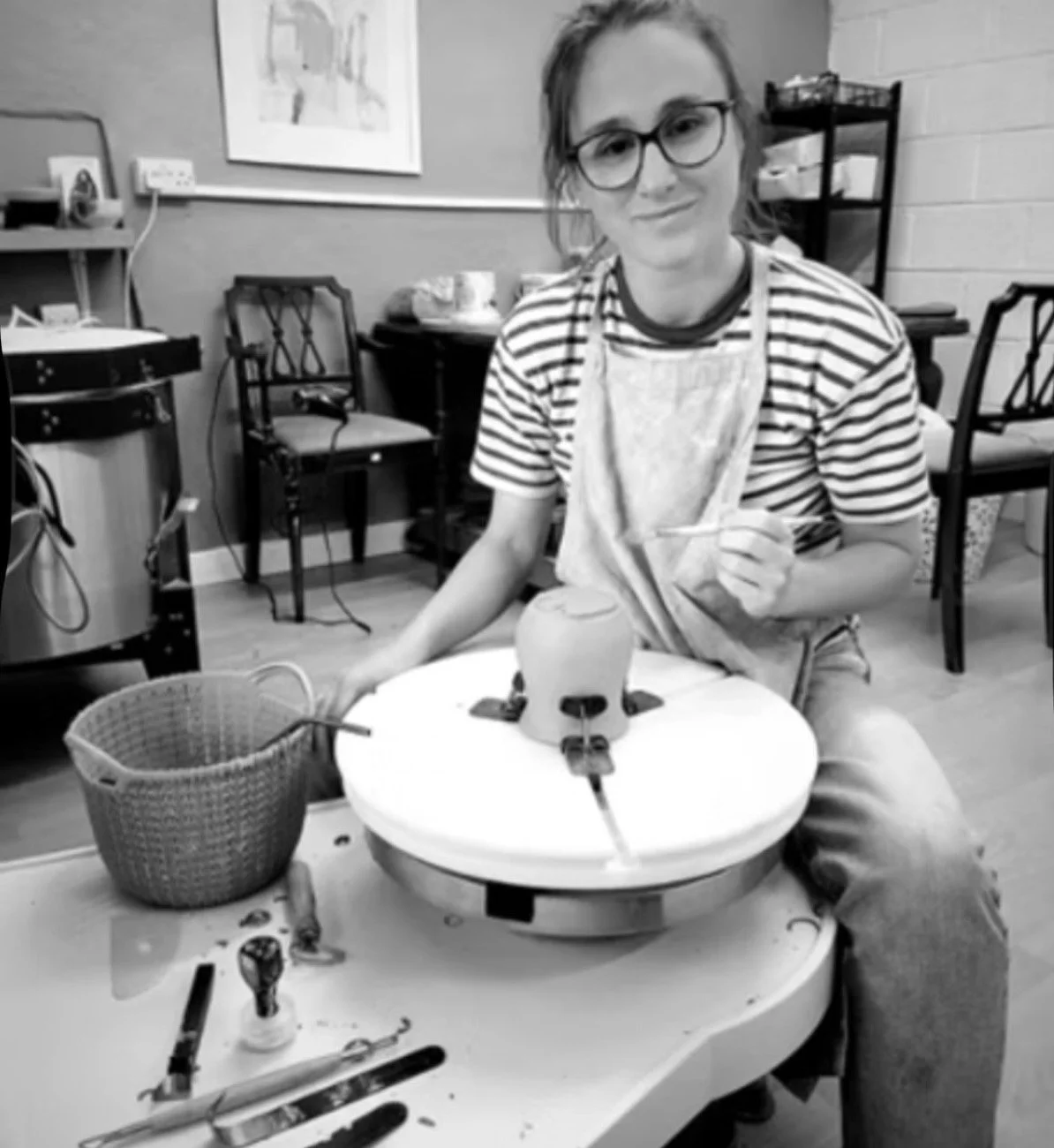
And as for my perfectionism? Instead of fighting it, I’m learning to lean into it in a healthy way. If I want things to feel perfect, I can create the right environment rather than demanding perfection from my final product. I recently brought my pottery supplies outside and worked on a picnic blanket in the shade. Another afternoon, I squeezed in two hours between chores, but first, I foraged flowers from the garden, put them in a vase, lit a candle, and turned on my music. Creating the right setting made me want to step into the space. And once I’m actually in there – well, carrying on has never been the issue.
This retreat did exactly what I hoped it would: it taught me how to look after myself and ward off burnout. But the ripple effect has gone so much deeper—into how I parent, the slower pace I bring to my family, and the creative spark I am finally allowing to thrive.
To any medic out there looking at the creative plate they let drop; pick it back up. It doesn't have to spin perfectly. It just has to be yours.
You can find out more Rachel’s pottery on socials @BeckfootPottery and on her website beckfootpottery.fws.store.
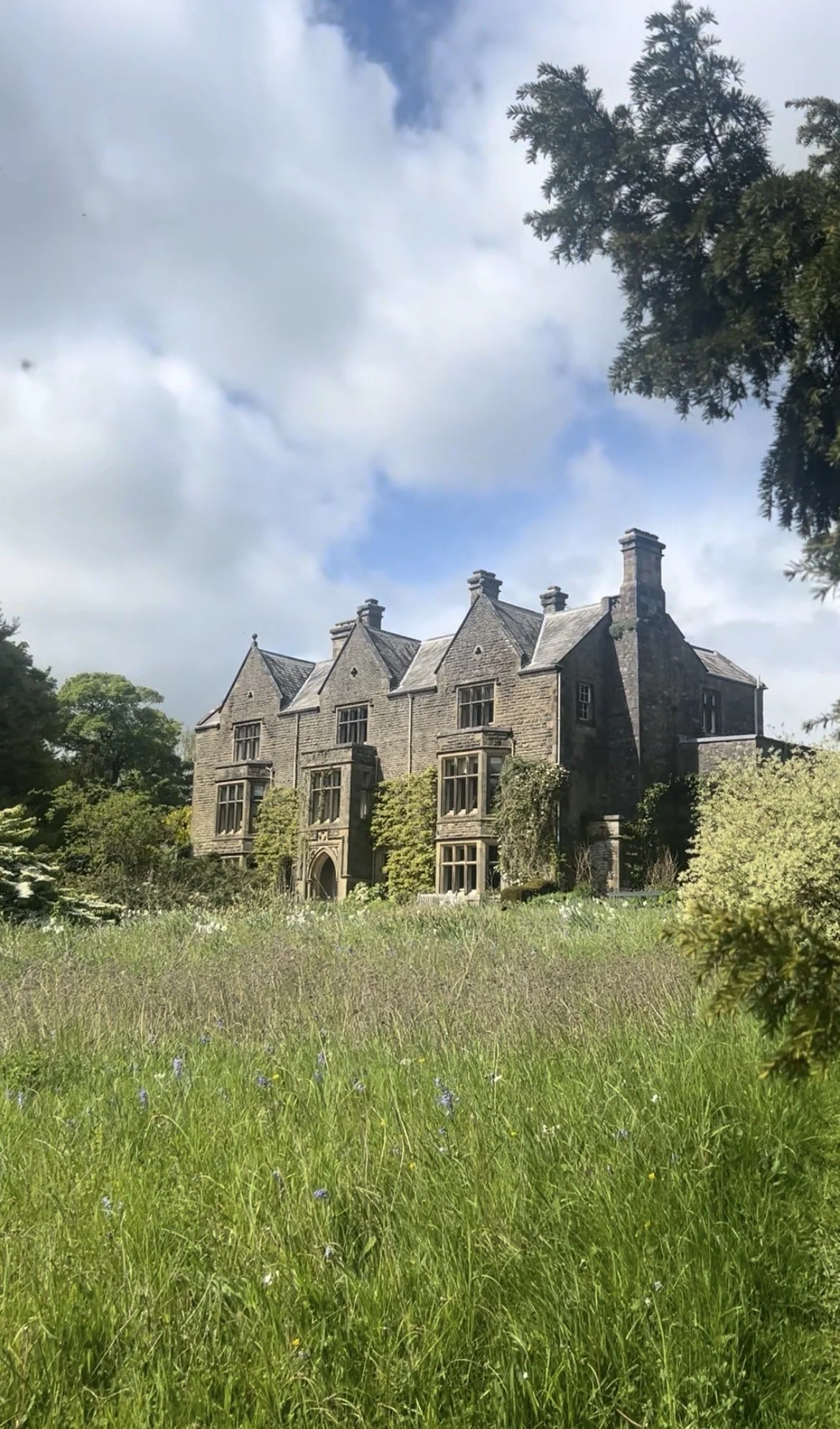
Beautiful Langcliffe Hall - the perfect setting for our retreats
Thank you Rachel - so appreciate you and taking the time to write about your experience, Alison x